
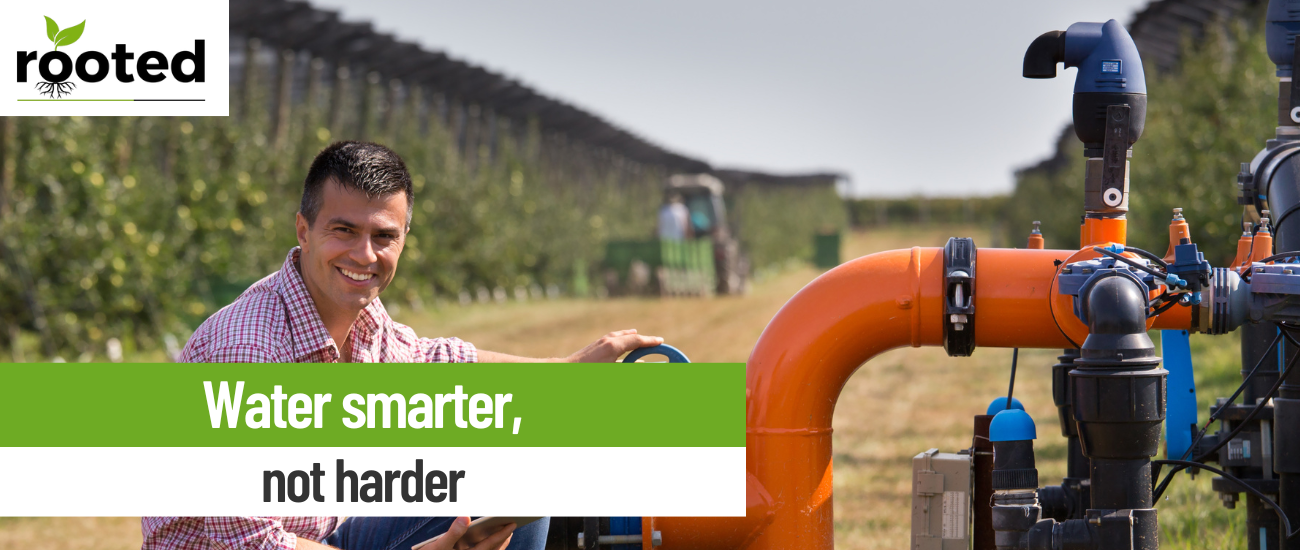
Irrigation scheduling stands as a cornerstone of modern agriculture, merging science with the intuitive art of farming. It’s about delivering water to crops at the right time, in the right amount, to optimize growth while conserving vital resources. This practical guide delves into the intricacies of irrigation scheduling, providing farmers with the knowledge to make informed decisions that bolster crop health and water efficiency.
Understanding Your Crops’ Water Needs
The journey begins with understanding the specific water needs of each crop. Various crops have different critical growth stages where precise water management can significantly impact yield and quality. By identifying these stages, farmers can prioritize water allocation during crucial periods of development.
The Role of Soil Moisture and Weather Data
Soil moisture levels serve as a direct indicator of when crops need water. The integration of soil moisture sensors with irrigation scheduling software allows for data-driven decisions, reducing the guesswork in irrigation. Moreover, incorporating real-time weather data ensures that scheduled irrigation adapts to unexpected rain or drought conditions, further optimizing water use.
Implementing Pulse Irrigation for Optimal Water Use
Pulse irrigation emerges as a technique fine-tuned through the software, ensuring that water infiltrates deep into the soil to reach plant roots without causing runoff or wastage. This method also aids in maintaining adequate oxygen levels in the soil, crucial for root respiration and nutrient uptake.
Leveraging Advanced Irrigation Scheduling Software
Advanced irrigation scheduling software brings all these components together. It not only considers the crop type and growth stage but also integrates real-time data on soil moisture and weather conditions. For farms using drip or spray irrigation methods, the software customizes schedules to suit these systems while accounting for the water-holding capacity of the soil. This holistic approach ensures that each drop of water is used efficiently, supporting sustainable farming practices.
Conclusion: The Path Forward
By mastering the core components of irrigation scheduling, farmers can significantly enhance their water management practices. This not only leads to healthier crops and higher yields but also contributes to the larger goal of water conservation and environmental sustainability. As we continue to face global challenges of water scarcity and climate change, the role of intelligent irrigation practices becomes increasingly vital.
Embracing the insights and technologies available today can transform the way we irrigate our crops, paving the way for a future where farming and sustainability go hand in hand.
Leave a Reply